
embOS-Classic
The Foundation for All embOS Editions
Real-time operating system (RTOS) designed to serve as a foundation for developing embedded applications
Available for all popular cores, compilers, and development tools
Deployed in several billion devices across a wide range of applications areas
1. Key features
2. Use cases
3. How embOS-Classic works
4. Memory protection
5. Supported cores and compilers
6. embOS-Classic packages
7. Licensing

Key Features
embOS-Classic is straightforward to use and guarantees fully deterministic real-time operation for any embedded device. It is highly portable and fully API-compatible on any platform, which makes it simple to port applications to different cores. Tasks can be created easily, and they communicate with each other safely via mechanisms such as semaphores, mailboxes, and events.
In addition, embOS-Classic offers full API compatibility with embOS-Ultra, giving developers the options to switch to cycle-resolution timing in their applications whenever higher precision is required.

Reliability
embOS-Classic is already deployed across several bilion devices, and it is available with certification in functional safety in accordance with IEC 61508 SIL 3, IEC 62304 Class C, and ISO 26262 ASIL D.

Efficiency
embOS-Classic is a high-performance real-time operating system. It has been optimized for minimum memory consumption in both RAM and ROM.

Availability
embOS-Classic supports virtually any core and compiler through more than 80 embOS-Classic ports, including over 500 board support packages for the embedded market.
Use Cases
The versatile nature of embOS-Classic makes it a core ingredient in any firmware that has to handle tasks that require synchronization, timely responses, and multiple tasks or threads in parallel. This means it is applied across a wide range of different areas. An example of this versatility would be use with IP stacks and USB-Host stacks, which are nearly impossible to run without the scheduling provided by an RTOS.


Internet of Things
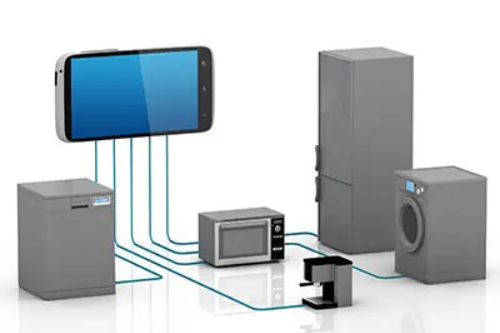
Consumer Electronics
Industrial Controls
By handling networking stacks and background tasks efficiently, embOS-Classic provides a reliable foundation for IoT applications that require stable networking and efficient task management.
embOS-Classic: The first choice for any consumer-electronics device - whether in entertainment, communications, or white goods.
embOS-Classic is an essential component in industrial control systems - particularly in applications where deterministic and reliable behavior is absolutely required.
How embOS-Classic Works
embOS-Classic is a preemptive multitasking system. Each task has a fixed priority, and the scheduler determines what task to execute - ensuring that the highest-priority executable task is always running. If a lower-priority task is active, it is immediately interrupted when a higher-priority task becomes ready. This enables preemptive multitasking. Tasks are activated by traditional periodic system ticks that are generated by a hardware timer at specific intervals. These can serve as a foundation for time-based functions, such as task delays or timeouts. The scheduler can also be triggered by external interrupts, such as the press of a button that activates a specific task. This approach ensures efficient CPU utilization by guaranteeing that time-critical tasks always take precedence, while background processes run only when no higher-priority tasks are active.

Memory Protection Unit (MPU)
Add-on for embOS-Classic and embOS-Ultra
embOS MPU add-on enables task-level memory isolation and helps increase system robustness by preventing unintended memory access.
When used on microcontrollers equipped with an integrated MPU, this option can support safety architectures and certification strategies.
Benefits:
- Available for embOS-Classic and embOS-Ultra
- Fault containment between tasks
- Helps improve system robustness and reliability
- Can support functional safety concepts

Supported cores and compilers
embOS-Classic is available for different core and compiler combinations, all of which are listed in SEGGER's complete overview of embOS ports.
Overview of embOS ports
| Chip Vendor | Core | Compiler / IDE | embOS | Part# |
|---|---|---|---|---|
| Simulation | x86 / x86_64 | Linux | embOS-Classic Sim Linux | 1.40.x.35 |
| Microsoft VisualStudio | embOS-Classic Sim VisualStudio | 1.40.x.29 | ||
| MinGW / GCC | embOS-Classic Sim MinGW | 1.40.x.30 | ||
| Linux | embOS-Classic MPU Sim Linux | 1.23.x.35 | ||
| ARM | ARM7 / ARM9 | ARM ADS 1.2 toolkit | embOS-Classic ARM ADS12 | 1.08.x.13 |
| ARM RVDS 3.0 | embOS-Classic ARM RVDS30 | 1.08.x.16 | ||
| GCC | embOS-Classic ARM GCC | 1.08.x.25 | ||
| IAR EWARM | embOS-Classic ARM IAR | 1.08.x.01 | ||
| Keil MDK | embOS-Classic ARM Keil MDK | 1.08.x.08 | ||
| Rowley CrossWorks | embOS-Classic ARM Rowley | 1.08.x.14 | ||
| SEGGER Embedded Studio | embOS-Ultra ARM ES embOS-Classic ARM ES | 15.08.x.28 1.08.x.28 | ||
| Cortex-A / Cortex-R | GCC | embOS-Classic ARM GCC embOS-Classic ARM64 GCC | 1.08.x.25 1.45.x.25 | |
| IAR EWARM | embOS-Classic ARM IAR | 1.08.x.01 | ||
| Keil MDK | embOS-Classic ARM Keil MDK | 1.08.x.08 | ||
| Rowley CrossWorks | embOS-Classic ARM Rowley | 1.08.x.14 | ||
| SEGGER Embedded Studio | embOS-Ultra ARM ES embOS-Classic ARM ES | 15.08.x.28 1.08.x.28 | ||
| Cortex-M | ARM DS-5 | embOS-Classic Cortex-M DS5 | 1.23.x.27 | |
| GCC | embOS-Ultra Cortex-M GCC embOS-Classic Cortex-M GCC embOS-Classic-MPU Cortex-M GCC | 15.23.x.25 1.23.x.25 1.73.x.25 | ||
| IAR EWARM | embOS-Ultra Cortex-M IAR embOS-Classic Cortex-M IAR embOS-Classic-MPU Cortex-M IAR | 15.23.x.01 1.23.x.01 1.73.x.01 | ||
| Keil MDK | embOS-Classic Cortex-M Keil MDK | 1.23.x.08 | ||
| Rowley CrossWorks | embOS-Classic Cortex-M Rowley | 1.23.x.14 | ||
| SEGGER Embedded Studio | embOS-Ultra Cortex-M ES embOS-Ultra-MPU Cortex-M ES embOS-Classic Cortex-M ES embOS-Classic-MPU Cortex-M ES | 15.23.x.28 15.73.x.28 1.23.x.28 1.73.x.28 | ||
| TI Code Composer | embOS-Classic Cortex-M TICC | 1.23.x.22 | ||
| Allwinner | Cortex-A / Cortex-R | SEGGER Embedded Studio | embOS-Ultra ARM ES | 15.08.x.28 |
| Ambiq Micro | Cortex-M | SEGGER Embedded Studio | embOS-Ultra Cortex-M ES embOS-Ultra-MPU Cortex-M ES embOS-Classic Cortex-M ES embOS-Classic-MPU Cortex-M ES | 15.23.x.28 15.73.x.28 1.23.x.28 1.73.x.28 |
| Cypress Semiconductor | Cortex-M | SEGGER Embedded Studio | embOS-Ultra Cortex-M ES embOS-Ultra-MPU Cortex-M ES embOS-Classic Cortex-M ES embOS-Classic-MPU Cortex-M ES | 15.23.x.28 15.73.x.28 1.23.x.28 1.73.x.28 |
| F2MC-16LX/FX | Softune | embOS-Classic F2MC-16LX/FX Softune | 1.07.x.05 | |
| FR30/50/70 | Softune | embOS-Classic FR30/50/70 Softune | 1.14.x.05 | |
| GigaDevice | Cortex-M | SEGGER Embedded Studio | embOS-Ultra Cortex-M ES embOS-Ultra-MPU Cortex-M ES embOS-Classic Cortex-M ES embOS-Classic-MPU Cortex-M ES | 15.23.x.28 15.73.x.28 1.23.x.28 1.73.x.28 |
| RISC-V | SEGGER Embedded Studio | embOS-Ultra RISC-V ES embOS-Classic RISC-V ES | 15.55.x.28 1.55.x.28 | |
| GCC | embOS-Classic RISC-V GCC | 1.55.x.25 | ||
| IAR | embOS-Classic RISC-V GCC | 1.55.x.01 | ||
| IDT | Cortex-M | SEGGER Embedded Studio | embOS-Ultra Cortex-M ES embOS-Ultra-MPU Cortex-M ES embOS-Classic Cortex-M ES embOS-Classic-MPU Cortex-M ES | 15.23.x.28 15.73.x.28 1.23.x.28 1.73.x.28 |
| Infineon | C16x | Keil MDK | embOS-Classic C16x Keil MDK | 1.11.x.08 |
| Tasking | embOS-Classic C16x Tasking | 1.11.x.02 | ||
| Cortex-M | SEGGER Embedded Studio | embOS-Ultra Cortex-M ES embOS-Ultra-MPU Cortex-M ES embOS-Classic Cortex-M ES embOS-Classic-MPU Cortex-M ES | 15.23.x.28 15.73.x.28 1.23.x.28 1.73.x.28 | |
| Intel FPGA (Altera) | Cortex-A / Cortex-R | SEGGER Embedded Studio | embOS-Ultra ARM ES embOS-Classic ARM ES | 15.08.x.28 1.08.x.28 |
| NIOS2 | Altera GCC | embOS-Classic NIOS2 GNU | 1.16.x.11 | |
| Maxim Integrated | ARM7 / ARM9 | SEGGER Embedded Studio | embOS-Ultra ARM ES embOS-Classic ARM ES | 15.08.x.28 1.08.x.28 |
| Cortex-M | SEGGER Embedded Studio | embOS-Ultra Cortex-M ES embOS-Ultra-MPU Cortex-M ES embOS-Classic Cortex-M ES embOS-MPU Cortex-M ES | 15.23.x.28 15.73.x.28 1.23.x.28 1.73.x.28 | |
| Microchip | AVR ATMega / ATXMega | IAR | embOS-Classic AVR IAR | 1.10.x.01 |
| AVR32 | GNU | embOS-Classic AVR32AP GNU | 1.28.x.11 | |
| GNU | embOS-Classic AVR32UC GNU | 1.28.x.11 | ||
| IAR | embOS-Classic AVR32UC IAR | 1.28.x.01 | ||
| Cortex-A / Cortex-R | SEGGER Embedded Studio | embOS-Ultra ARM ES embOS-Classic ARM ES | 15.08.x.28 1.08.x.28 | |
| Cortex-M | SEGGER Embedded Studio | embOS-Ultra Cortex-M ES embOS-Ultra-MPU Cortex-M ES embOS-Classic Cortex-M ES embOS-Classic-MPU Cortex-M ES | 15.23.x.28 15.73.x.28 1.23.x.28 1.73.x.28 | |
| PIC18 | Microchip XC18 | embOS-Classic PIC18 MPLAB C18 | 1.29.x.18 | |
| PIC24/PIC30/dsPIC33 | Microchip XC16 | embOS-Classic PIC24 XC16 | 1.22.x.18 | |
| PIC32 | Microchip XC32 | embOS-Classic PIC32 XC32 | 1.25.x.18 |
| Nordic Semiconductor | Cortex-M | SEGGER Embedded Studio | embOS-Ultra Cortex-M ES embOS-Ultra-MPU Cortex-M ES embOS-Classic Cortex-M ES embOS-Classic-MPU Cortex-M ES | 15.23.x.28 15.73.x.28 1.23.x.28 1.73.x.28 |
| Nuvoton | Cortex-M | SEGGER Embedded Studio | embOS-Ultra Cortex-M ES embOS-Ultra-MPU Cortex-M ES embOS-Classic Cortex-M ES embOS-Classic-MPU Cortex-M ES | 15.23.x.28 15.73.x.28 1.23.x.28 1.73.x.28 |
| NXP | ColdFire | CodeWarrior | embOS-Classic ColdFire CodeWarrior | 1.21.x.1.7 |
| CodeWarrior MCU | embOS-Classic ColdFire CodeWarrior MCU | 1.21.x.33 | ||
| CodeWarrior | embOS-Classic ColdFireV1 CodeWarrior | 1.31.x.17 | ||
| IAR | embOS-Classic ColdFire IAR | 1.21.x.01 | ||
| Cortex-A / Cortex-R | SEGGER Embedded Studio | embOS-Ultra ARM ES embOS-Classic ARM ES | 15.08.x.28 1.08.x.28 | |
| Cortex-M | SEGGER Embedded Studio | embOS-Ultra Cortex-M ES embOS-Ultra-MPU Cortex-M ES embOS-Classic Cortex-M ES embOS-Classic-MPU Cortex-M ES | 15.23.x.28 15.73.x.28 1.23.x.28 1.73.x.28 | |
| HCS12 | CodeWarrior | embOS-Classic HCS12 CodeWarrior | 1.37.x.17 | |
| PowerPC | CodeWarrior | embOS-Classic PowerPC CodeWarrior | 1.38.x.17 | |
| S12Z | S12lisa | embOS-Classic S12Z S12lisa | 1.44.x.31 | |
| SO8 | CodeWarrior | embOS-Classic SO8 CodeWarrior | 1.33.x.1.7 | |
| OKI Semiconductor | ARM7 / ARM9 | SEGGER Embedded Studio | embOS-Ultra ARM ES embOS-Classic ARM ES | 15.08.x.28 1.08.x.28 |
| Renesas | 78K0 | IAR | embOS-Classic 78K0/K0S/K0R IAR | 1.02.x.01 |
| 78K4 | IAR | embOS-Classic 78K4 IAR | 1.02.x.01 | |
| Cortex-A / Cortex-R | SEGGER Embedded Studio | embOS-Ultra ARM ES embOS-Classic ARM ES | 15.08.x.28 1.08.x.28 | |
| Cortex-M | SEGGER Embedded Studio | embOS-Ultra Cortex-M ES embOS-Ultra-MPU Cortex-M ES embOS-Classic Cortex-M ES embOS-Classic-MPU Cortex-M ES | 15.23.x.28 15.73.x.28 1.23.x.28 1.73.x.28 | |
| H8/H8S/H8SX | IAR | embOS-Classic H8/H8S IAR | 1.18.x.01 | |
| HEW | embOS-Classic H8/H8S/H8SX HEW | 1.18.x.07 | ||
| M16C/R8C | HEW | embOS-Classic R8C HEW | 1.20.x.07 | |
| GNU | embOS-Classic M16C GNU | 1.05.x.11 | ||
| NC30 | embOS-Classic M16C NC3 | 1.05.x.04 | ||
| IAR | embOS-Classic M16C/R8C IAR | 1.05.x.01 | ||
| Tasking | embOS-Classic M16C/R8C Tasking | 1.05.x.02 | ||
| M32C/M16C80 | NC308 | embOS-Classic M32C/M16C80 NC308 | 1.06.x.04 | |
| IAR | embOS-Classic M32C/M16C80 IAR | 1.06.x.01 | ||
| RA | SEGGER Embedded Studio | embOS-Ultra Cortex-M ES embOS-Ultra-MPU Cortex-M ES embOS-Classic Cortex-M ES embOS-Classic-MPU Cortex-M ES | 15.23.x.28 15.73.x.28 1.23.x.28 1.73.x.28 | |
| RE01 | SEGGER Embedded Studio | embOS-Classic Cortex-M ES embOS-Ultra Cortex-M ES | 1.23.x.28 15.23.x.28 | |
| RH850 | IAR | embOS-Classic RH850 IAR | 1.42.x.01 | |
| RL78 | CCRL | embOS-Classic RL78 CCRL | 1.36.x.07 | |
| IAR | embOS-Classic RL78 IAR | 1.36.x.01 | ||
| RX | IAR | embOS-Classic RX IAR | 1.34.x.01 | |
| CCRX | embOS-Classic RX CCRX | 1.34.x.07 | ||
| GNU | embOS-Classic RX GNU | 1.34.x.23 | ||
| RZ | KPIT GNU | embOS-Classic RZ KPIT GNU | 1.08.x.23 | |
| R32C | IAR | embOS-Classic R32C IAR | 1.26.x.01 | |
| HEW | embOS-Classic R32C HEW | 1.26.x.07 | ||
| SH2 | HEW | embOS-Classic SH2 HEW | 1.24.x.07 | |
| SH2A | HEW | embOS-Classic SH2A HEW | 1.27.x.07 | |
| HEW GNU | embOS-Classic SH2A HEW GNU | 1.27.x.11 | ||
| IAR | embOS-Classic SH2A IAR | 1.27.x.01 | ||
| V850 | GreenHills | embOS-Classic V850 GreenHills | 1.03.x.03 | |
| IAR | embOS-Classic V850 IAR | 1.03.x.01 | ||
| NEC | embOS-Classic V850 NEC | 1.03.x.19 | ||
| Silicon Labs | 8051 | IAR | embOS-Classic 8051 IAR | 1.39.x.01 |
| Cortex-M | SEGGER Embedded Studio | embOS-Ultra Cortex-M ES embOS-Ultra-MPU Cortex-M ES embOS-Classic Cortex-M ES embOS-Classic-MPU Cortex-M ES | 15.23.x.28 15.73.x.28 1.23.x.28 1.73.x.28 | |
| SiFive | RISC-V | SEGGER Embedded Studio | embOS-Ultra RISC-V ES embOS-Classic RISC-V ES | 15.55.x.28 1.55.x.28 |
| GCC | embOS-Classic RISC-V GCC | 1.55.x.25 | ||
| IAR | embOS-Classic RISC-V IAR | 1.55.x.01 |
embOS-Classic Packages
embOS RTOS can be delivered as an object-code or source-code package. The source-code package expands on the object-code package by including embOS source code. Using embOS source code enables the use of application-specific compiler options. Compile time switches allow users to customize embOS by enabling only required functionalities. Adding embOS source code to a project provides additional insight when debugging at source level.
Both embOS packages include the same ready-to-use board support packages for various devices and evaluation boards.
| Features | Object Code | Source Code |
|---|---|---|
| embOS object code library | Supported | Supported |
| embOS source code library | Not Supported | Supported |
| embOSView - Profiling PC tool | Supported | Supported |
| embOS manual | Supported | Supported |
| CPU - and compiler-specific manual | Supported | Supported |
| Release notes | Supported | Supported |
| embOS IDE plugins | Supported | Supported |
| SystemView instrumentation | Supported | Supported |
| Device Supported | ||
| Board support packages | Supported | Supported |
| Updates and technical support | ||
| Features & maintenance updates | Supported | Supported |
| Technical support | Supported | Supported |
Licensing
embOS-Classic is available under various embedded software license models. All user-created hardware components are royalty free, and there are no additional fees or limits on production volume. Every license model includes a 6-month support-and-update agreement, and there is also an option to extend both support and updates for an additional 12 months.